
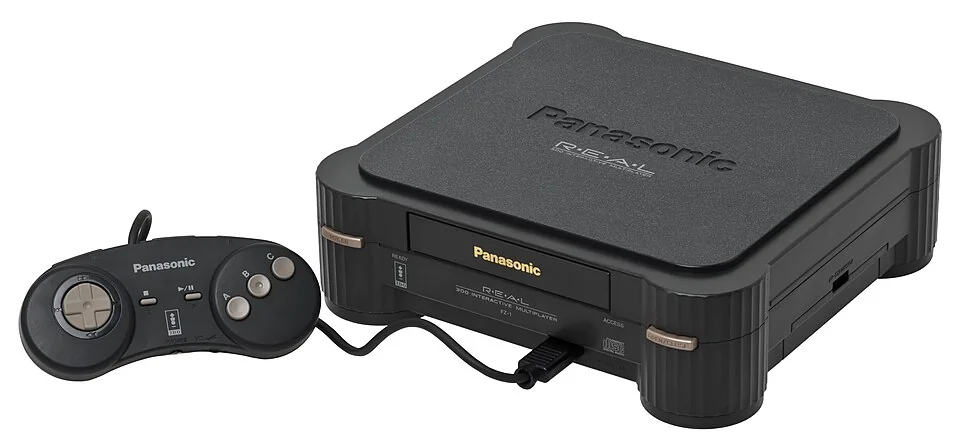
3DO Interactive Multiplayer
- reference families
- 45
- documented versions
- 45

Explore consoles and compare regional releases, revisions and product references to define your collection.
Compare documented versions of a title across systems. A port to another console remains a distinct edition; results do not establish identical content.
One copy per game or every variant? Set a rule before filtering.
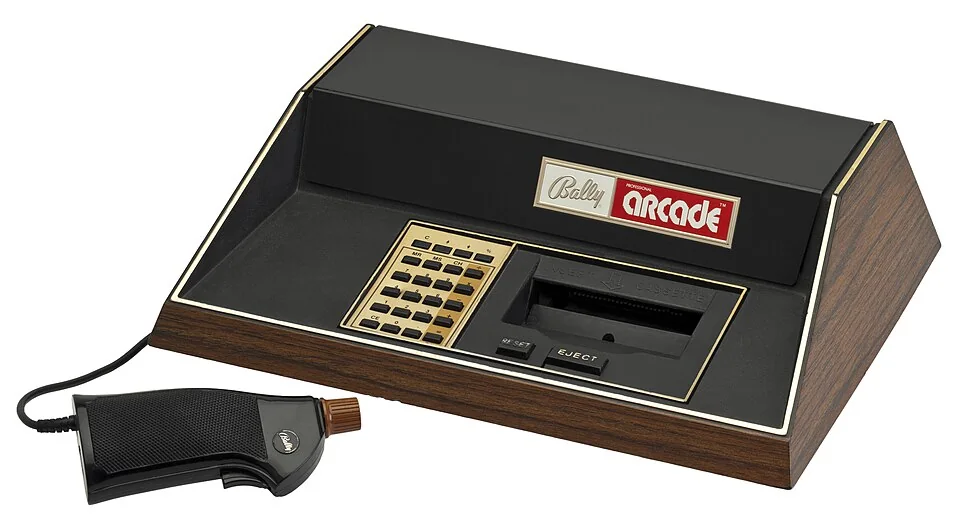
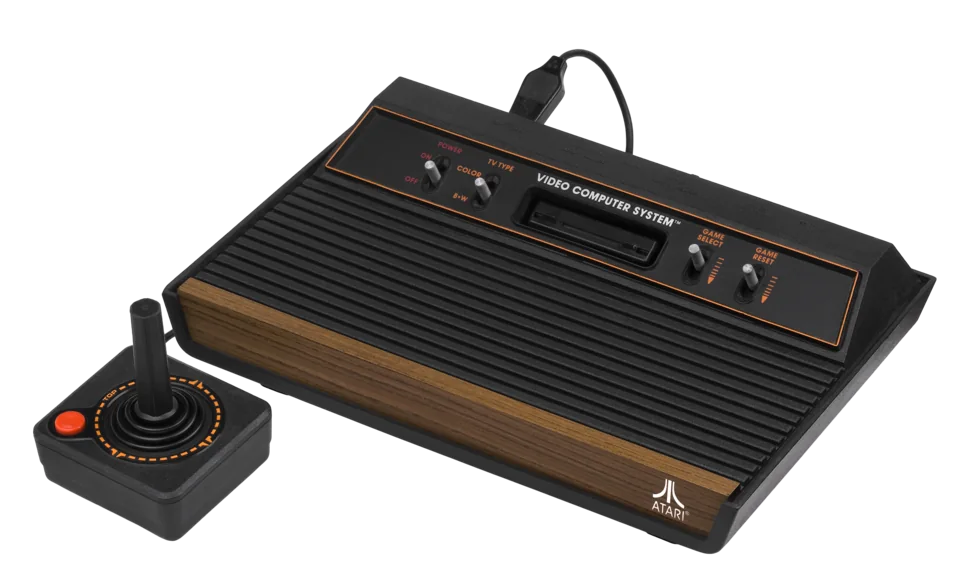
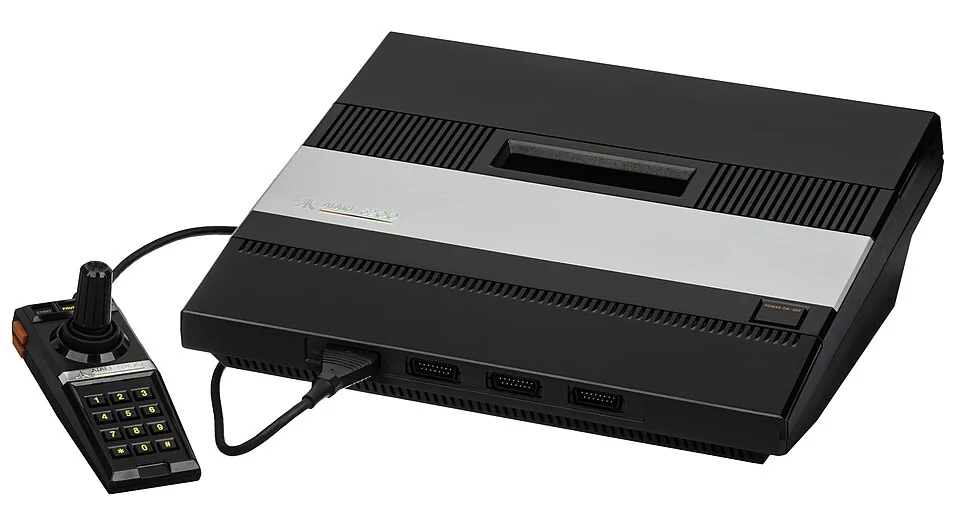
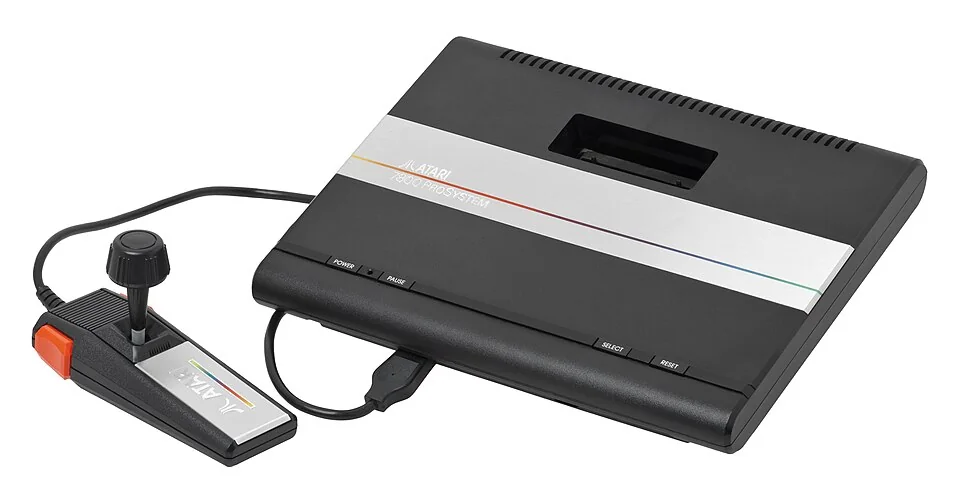
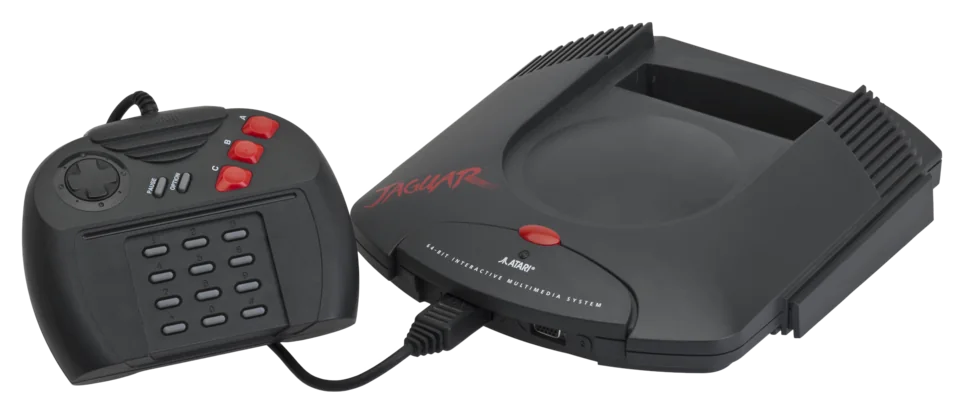
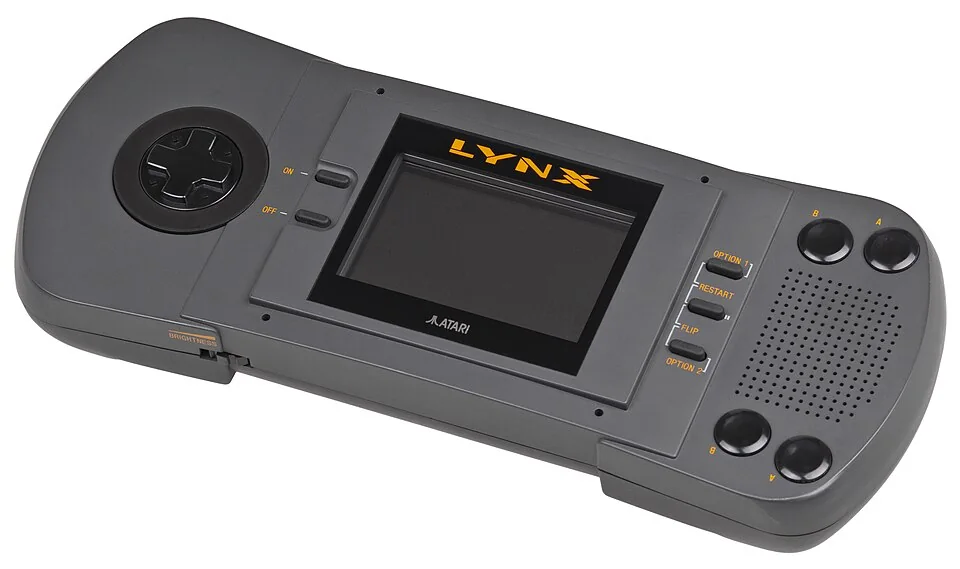
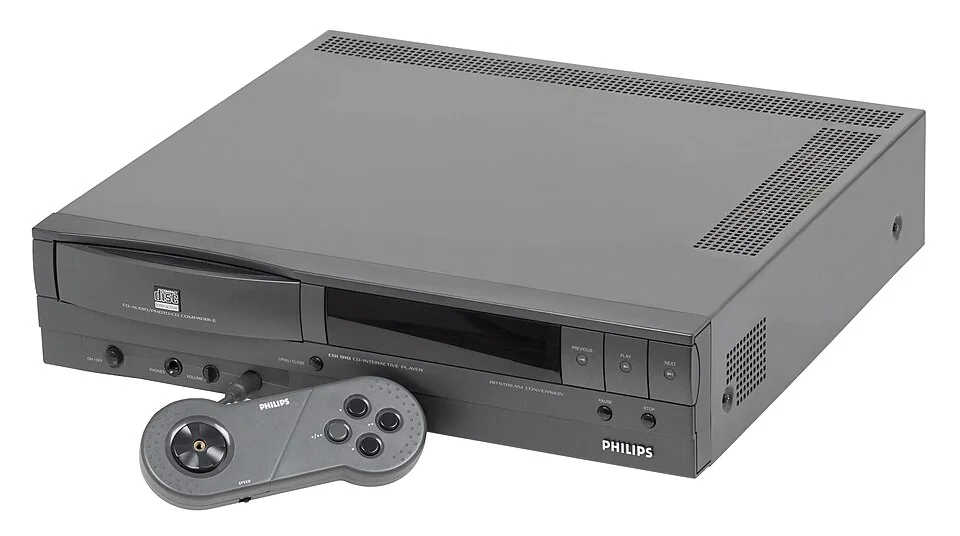

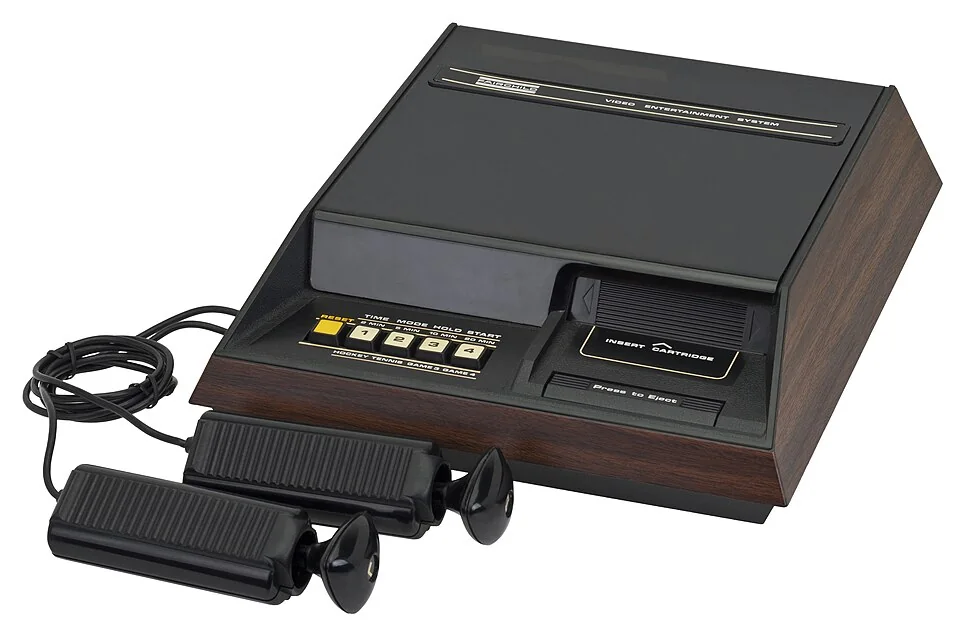
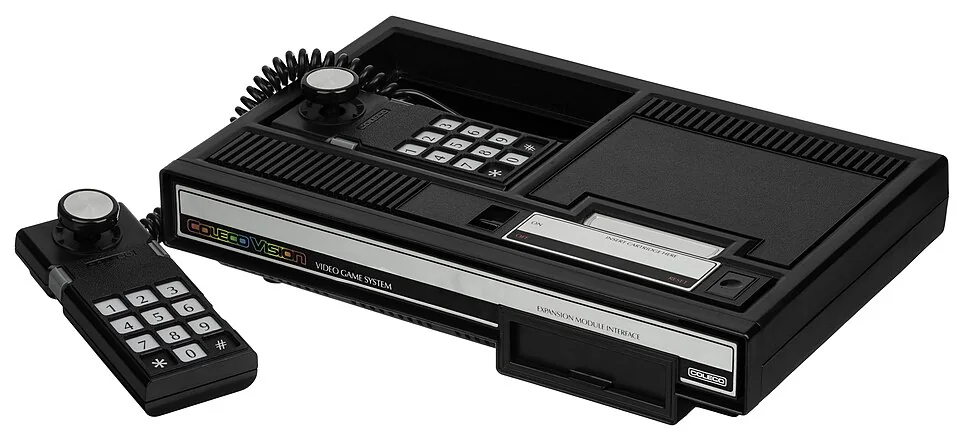

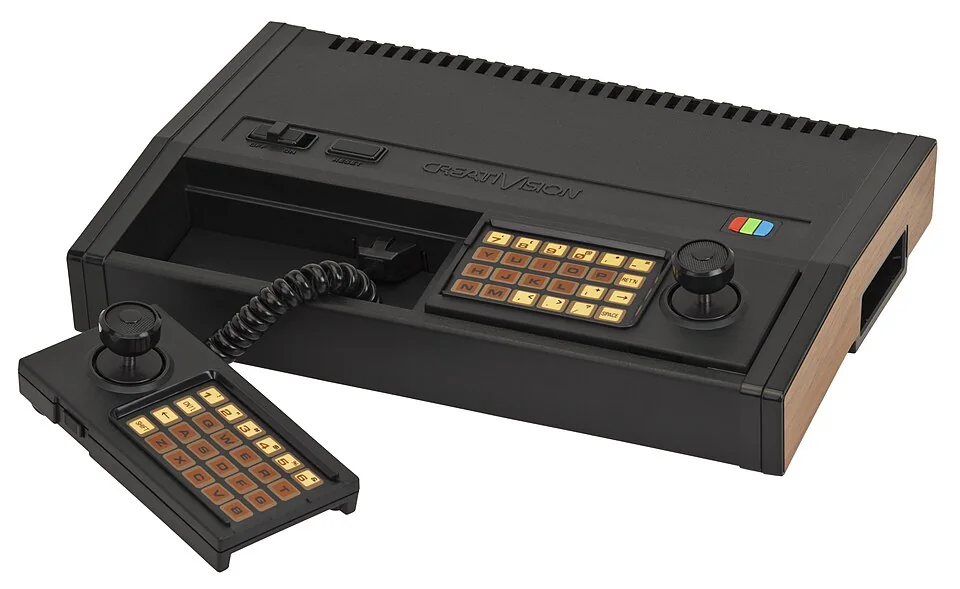
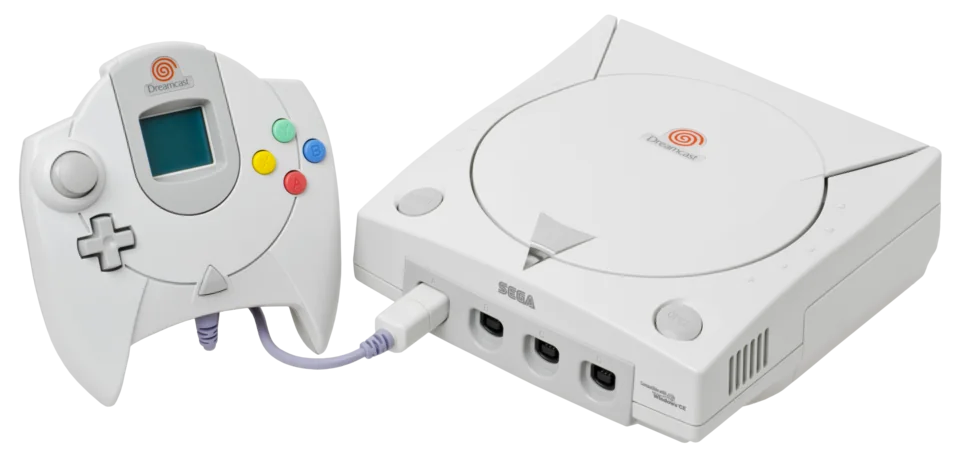
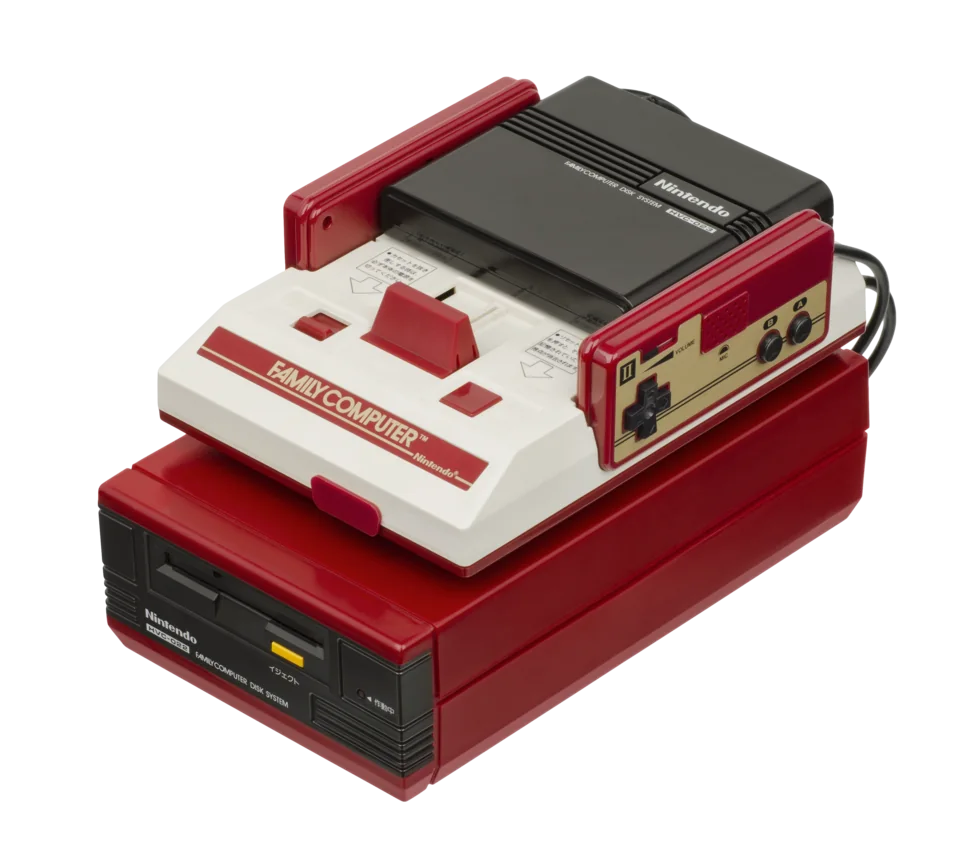
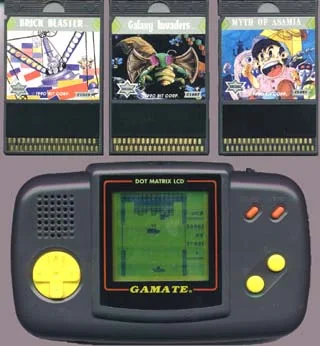
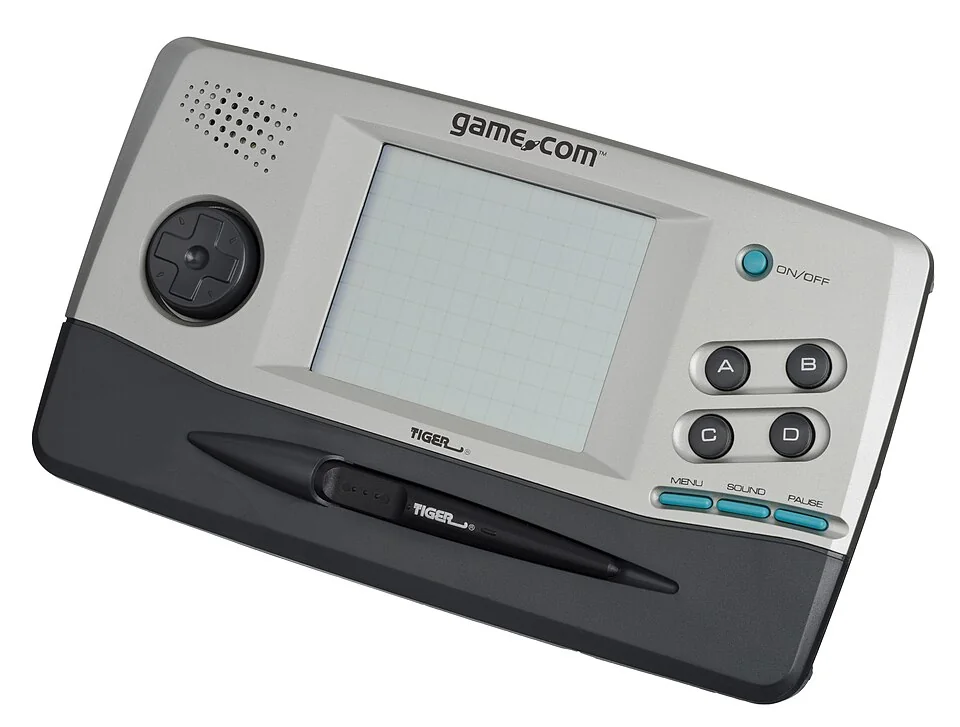
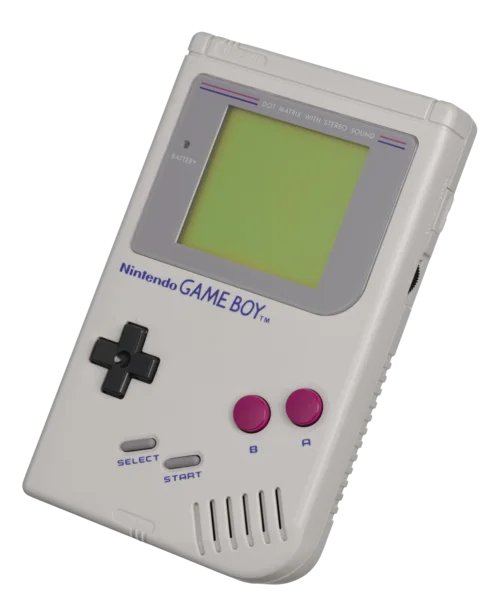
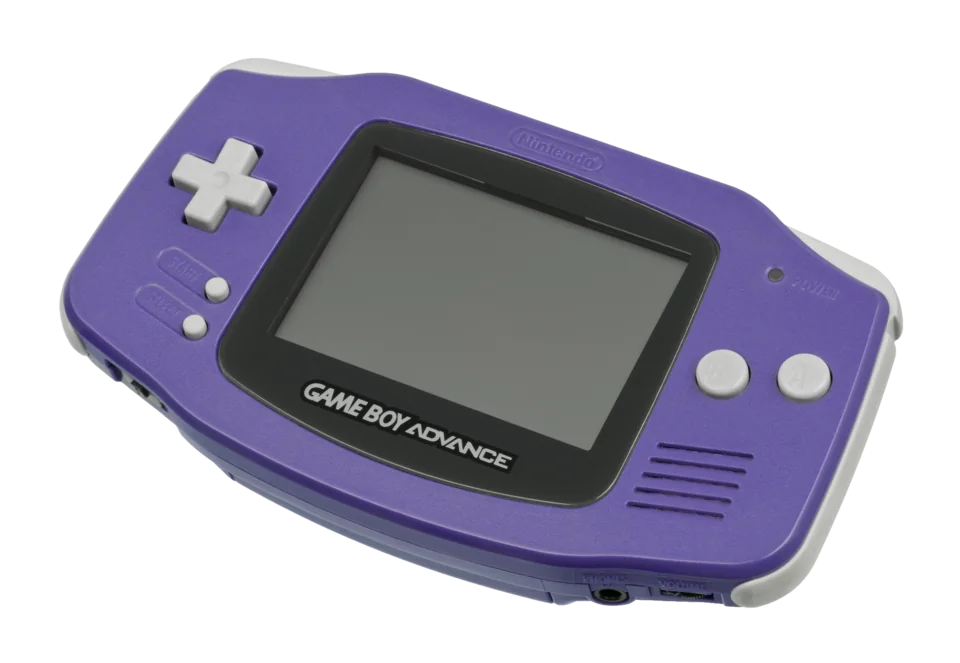
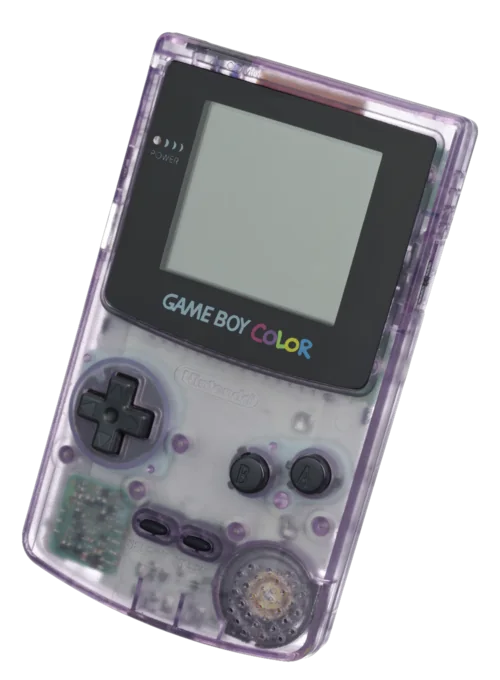
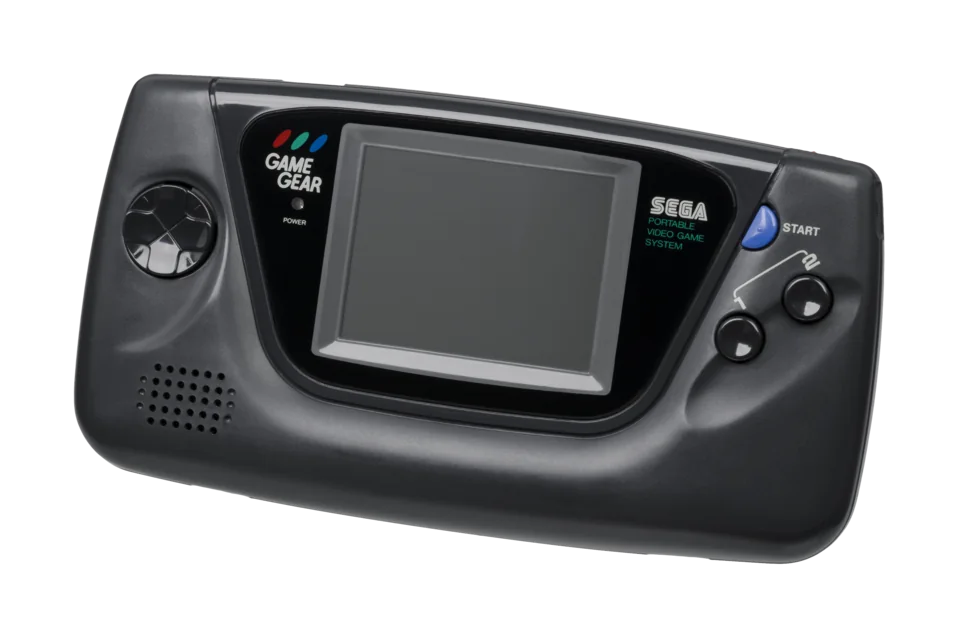
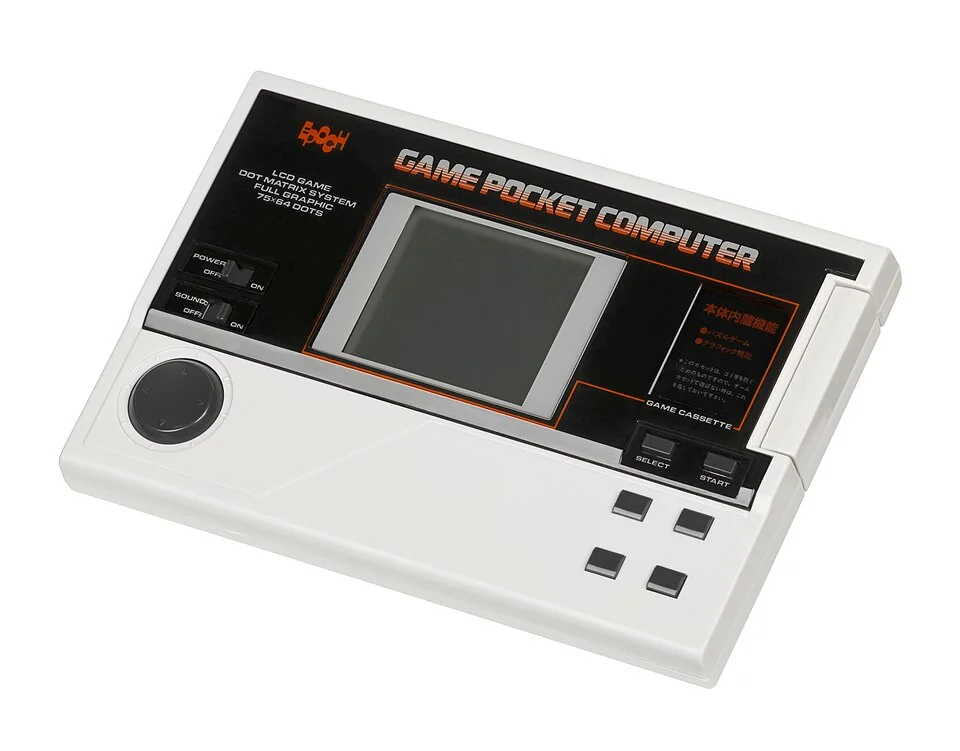
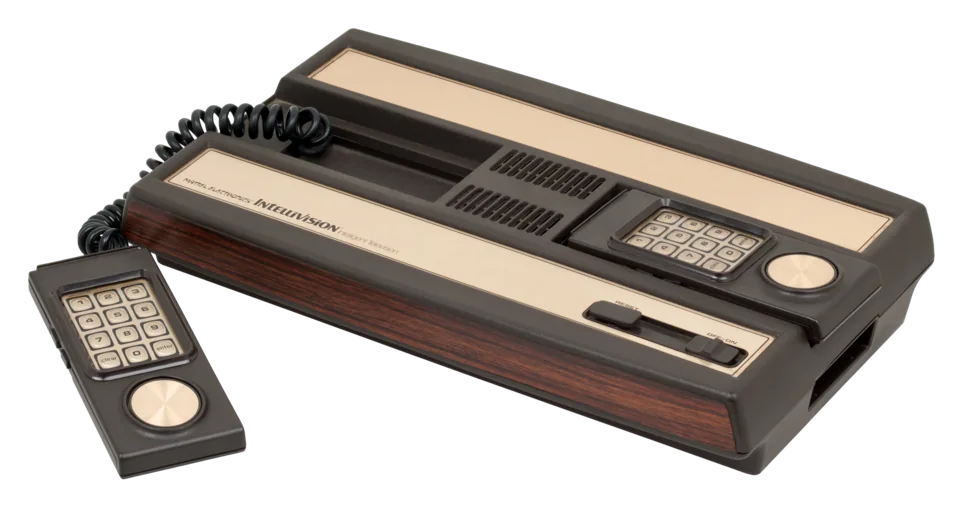
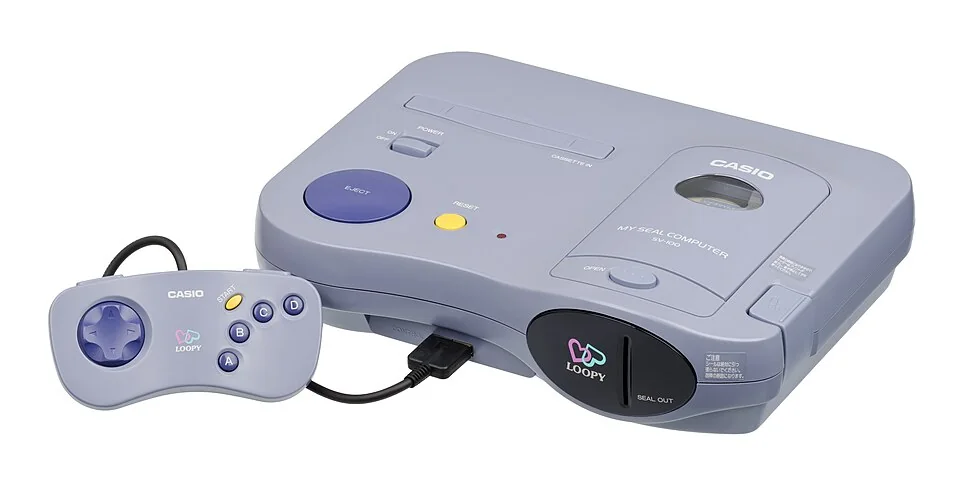
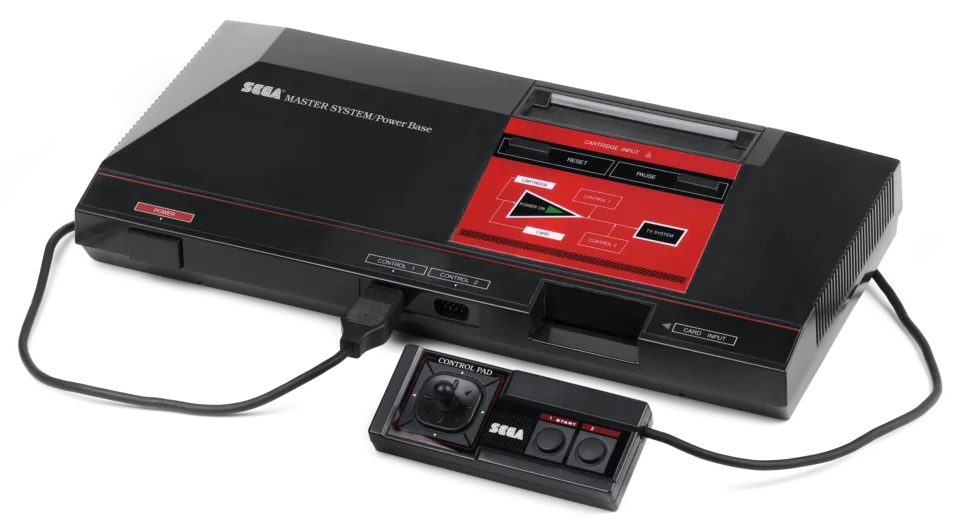
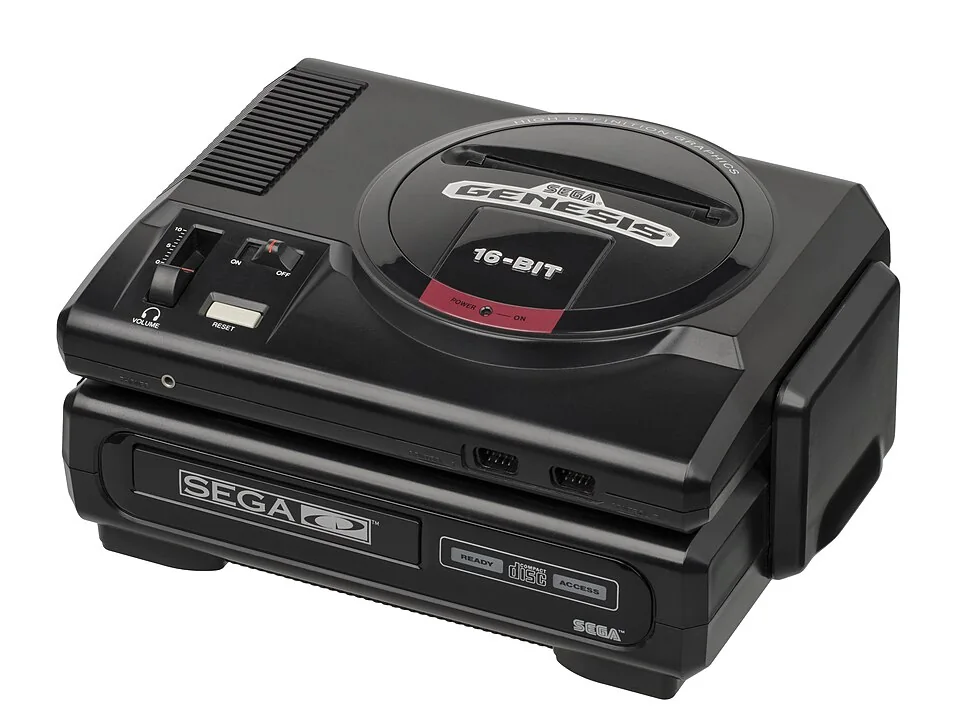
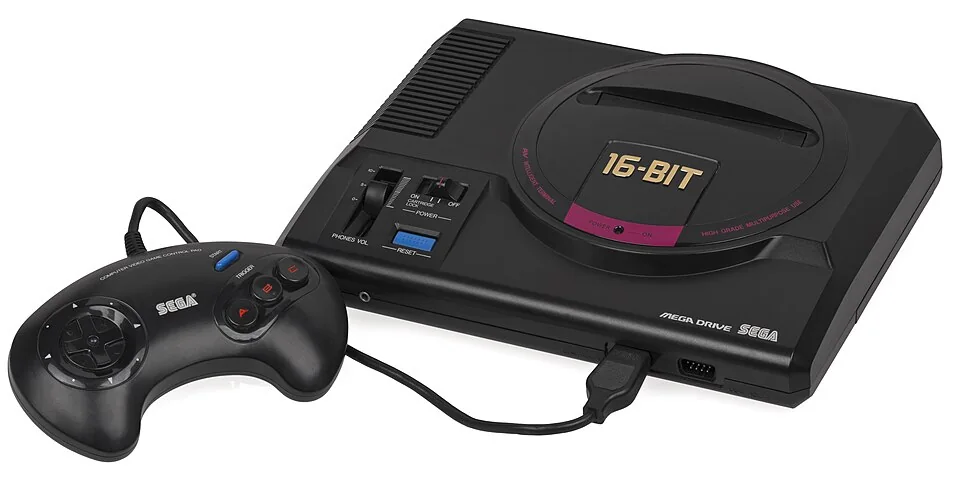
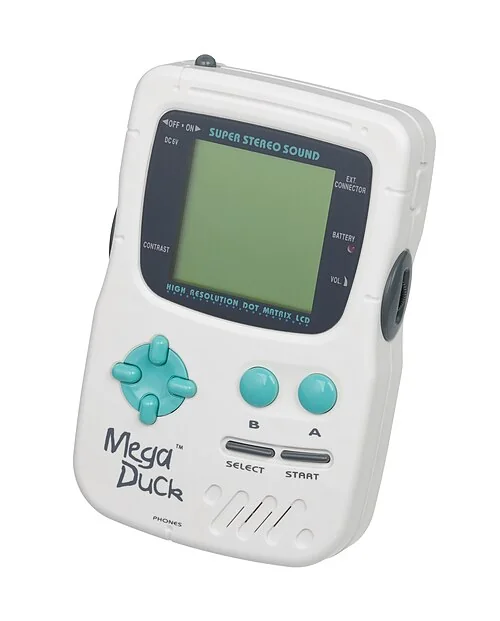
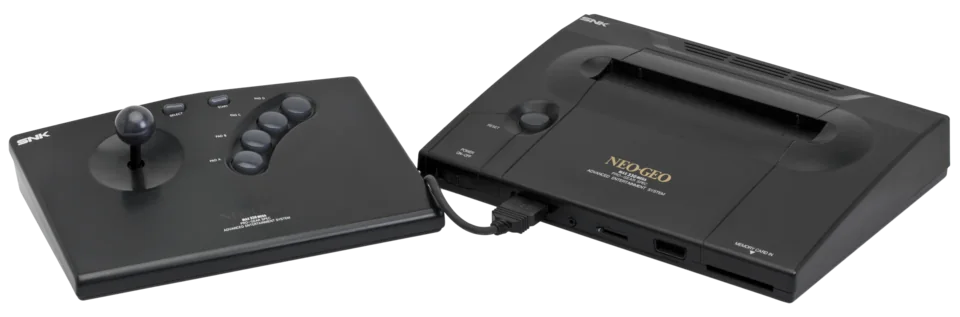
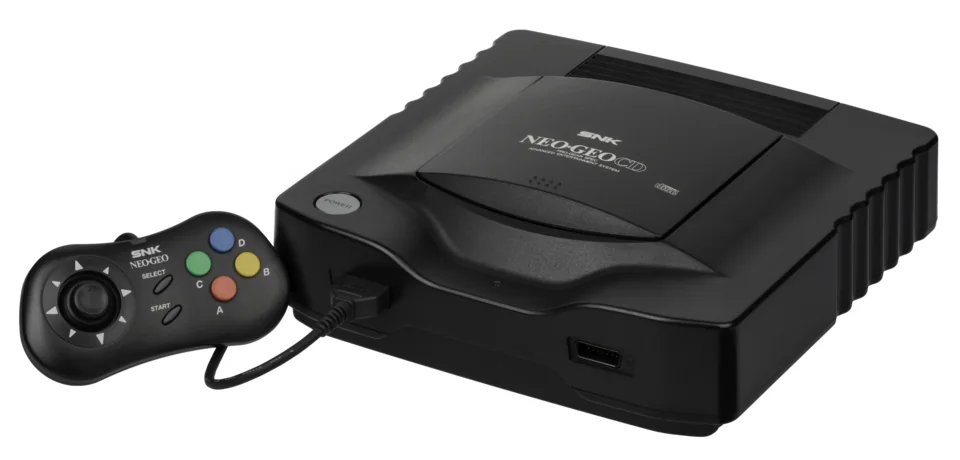
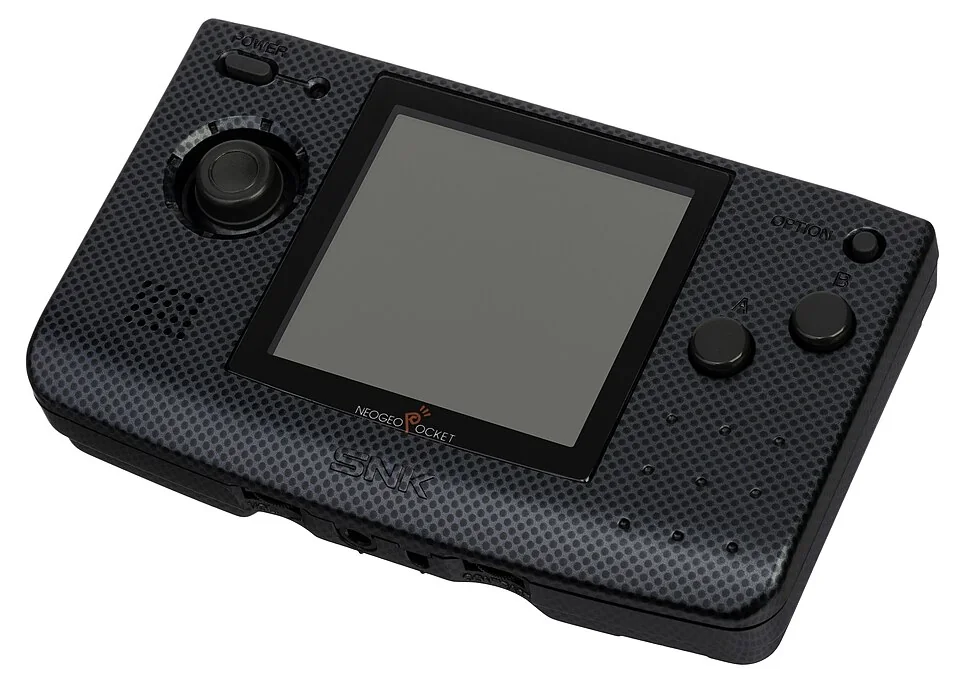
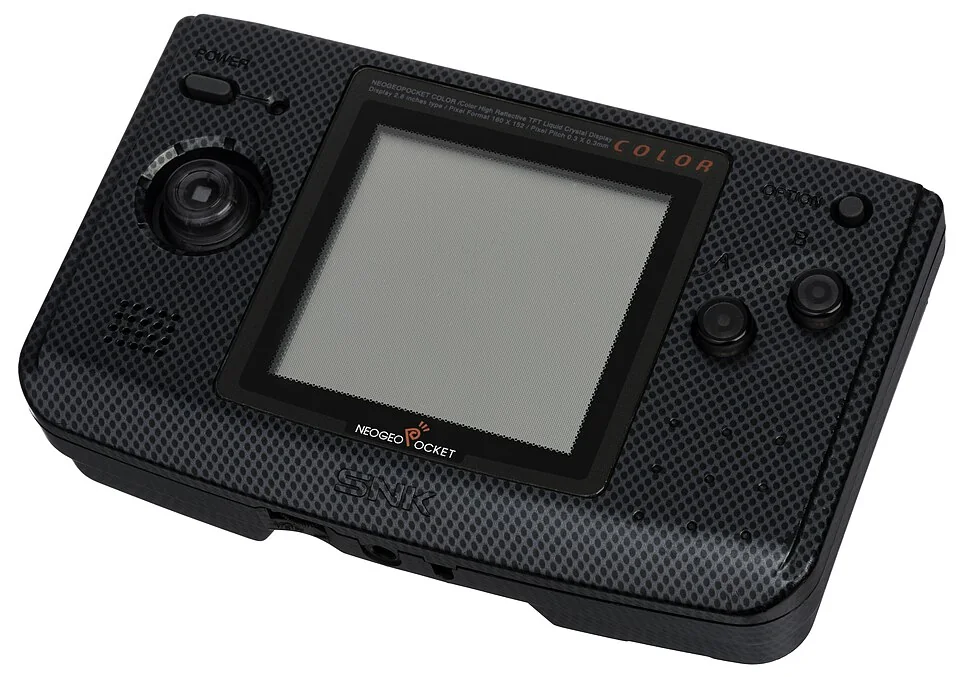
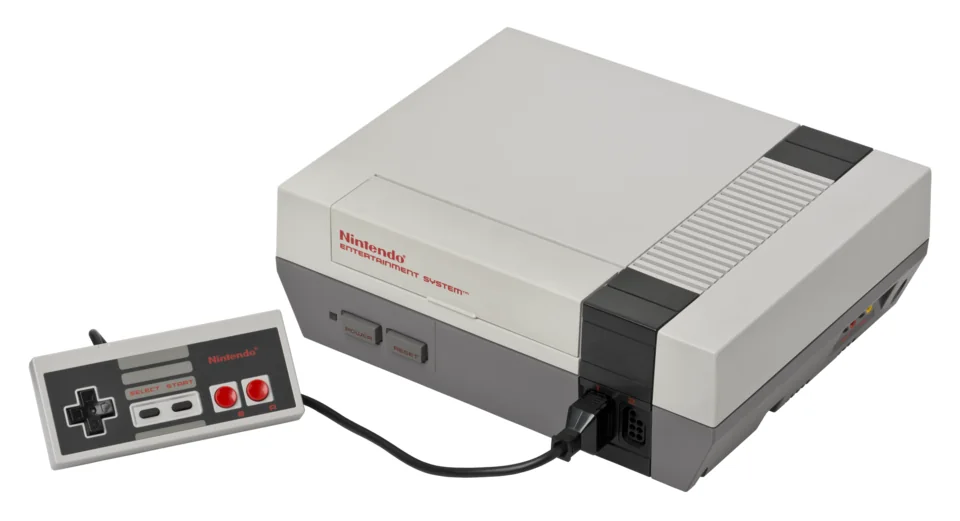
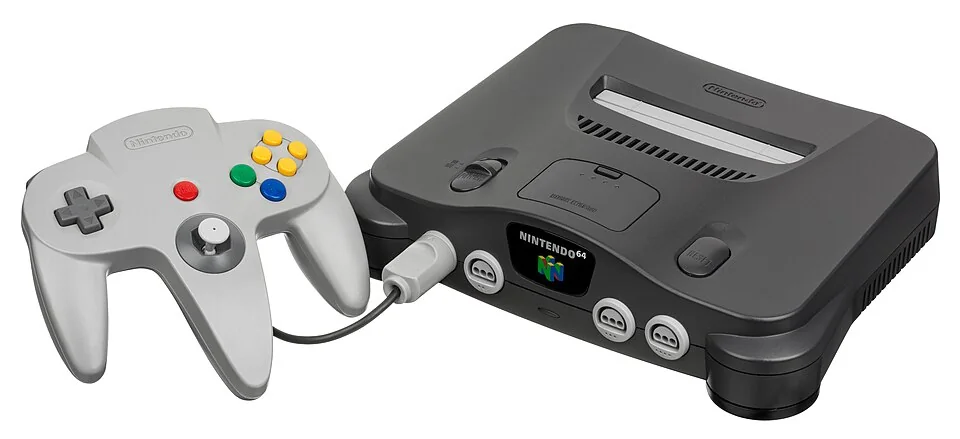
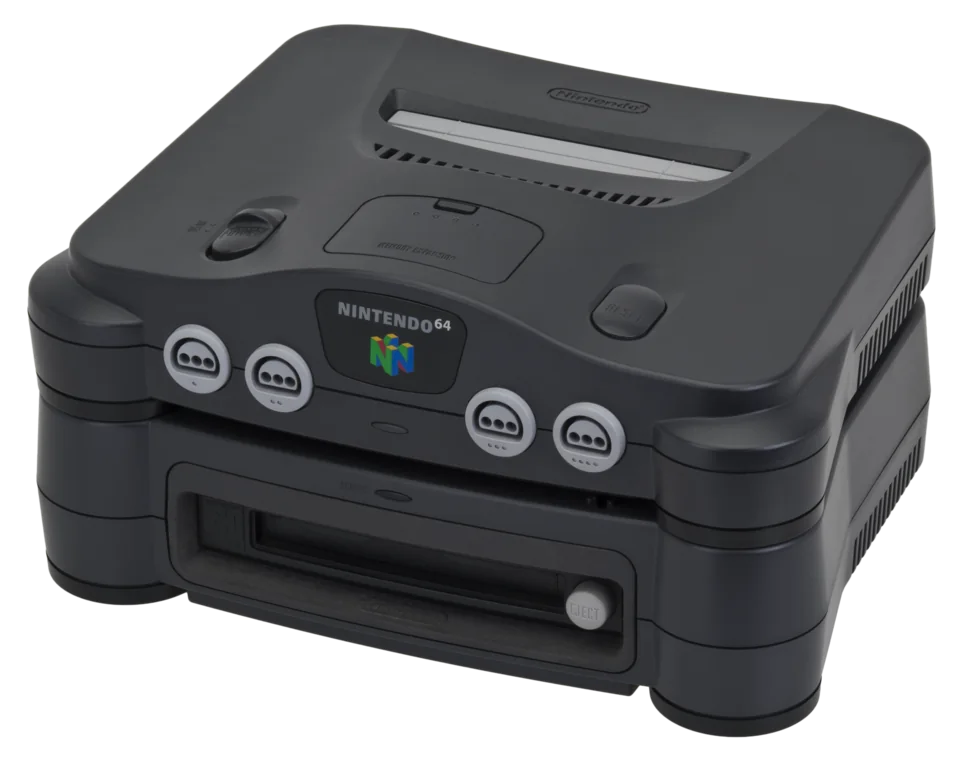
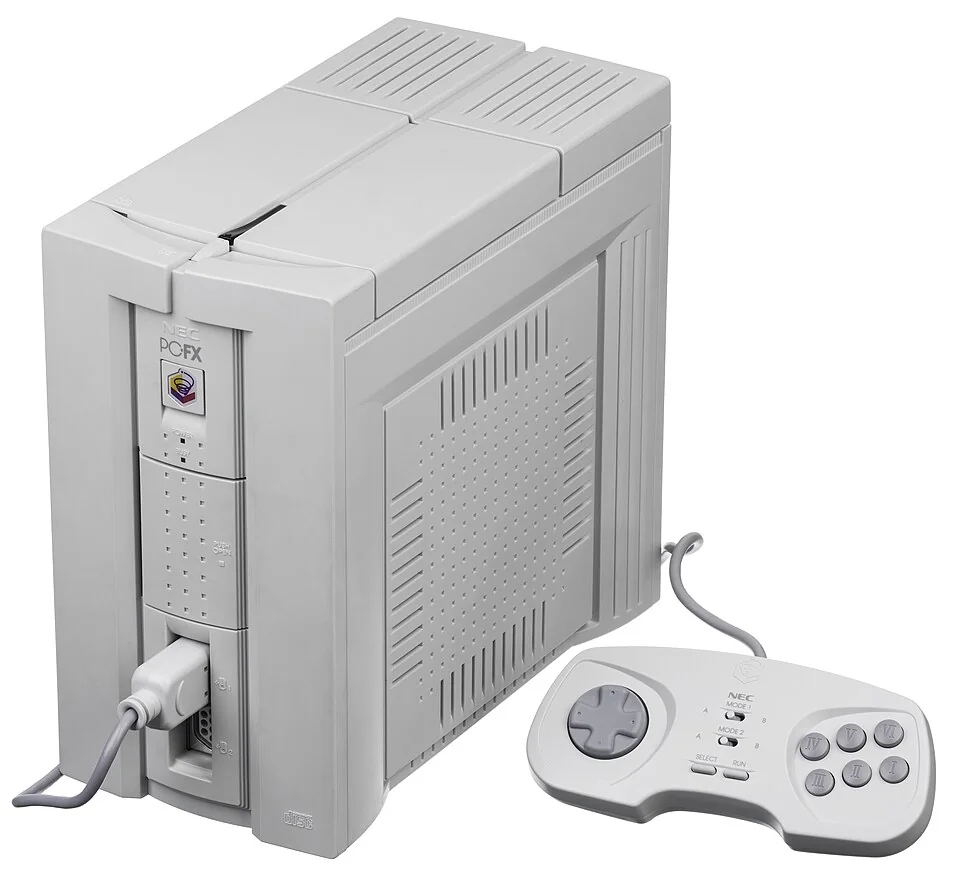
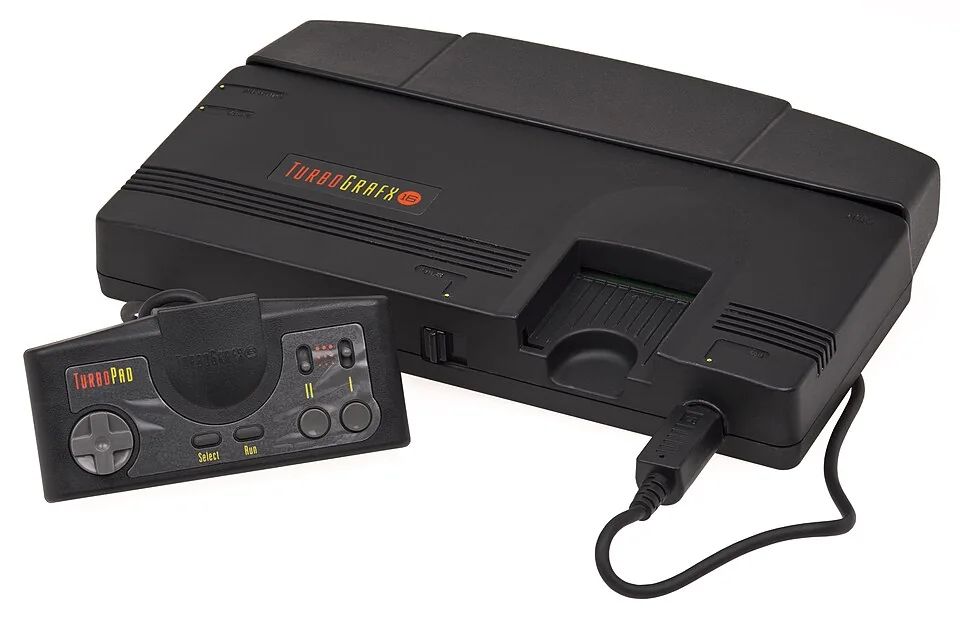
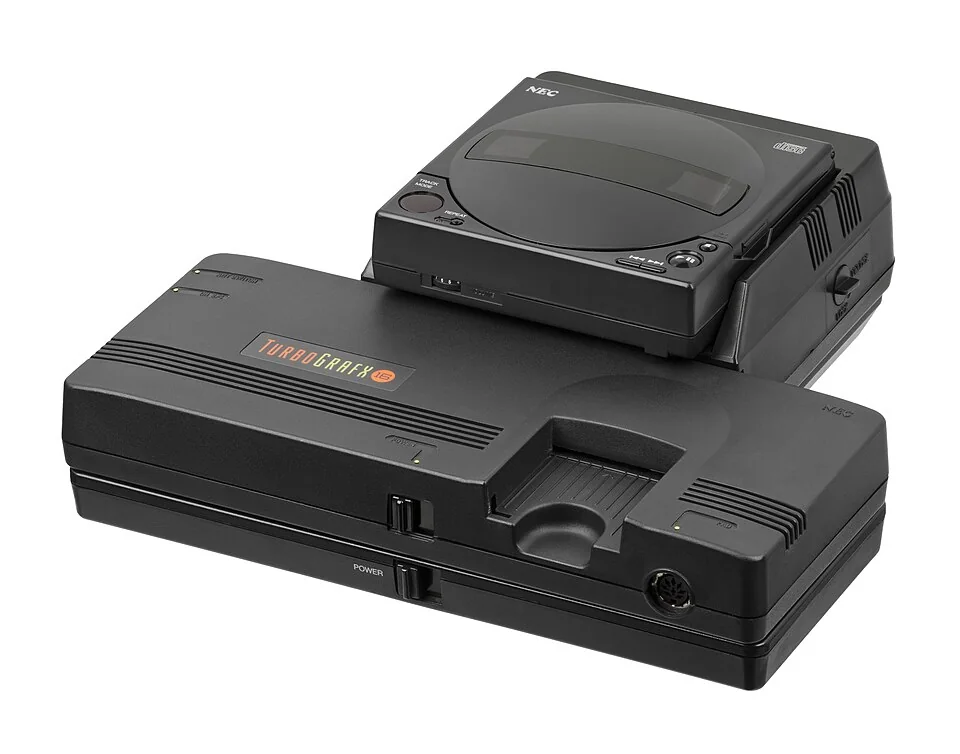
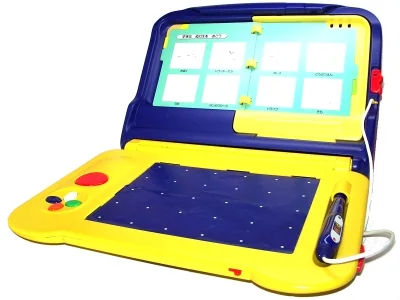
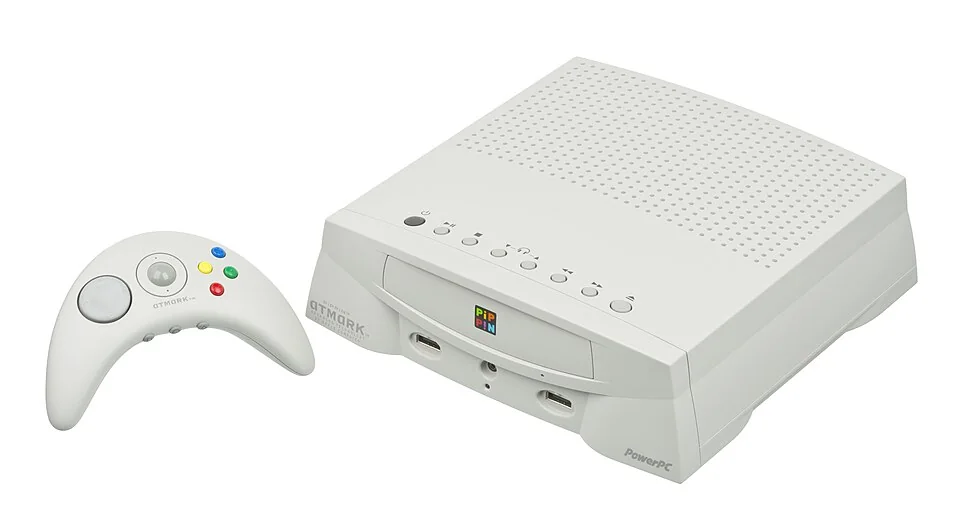
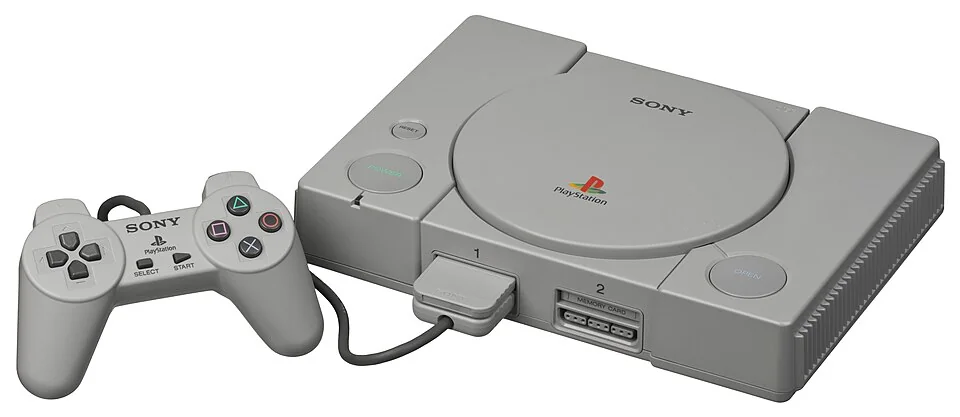
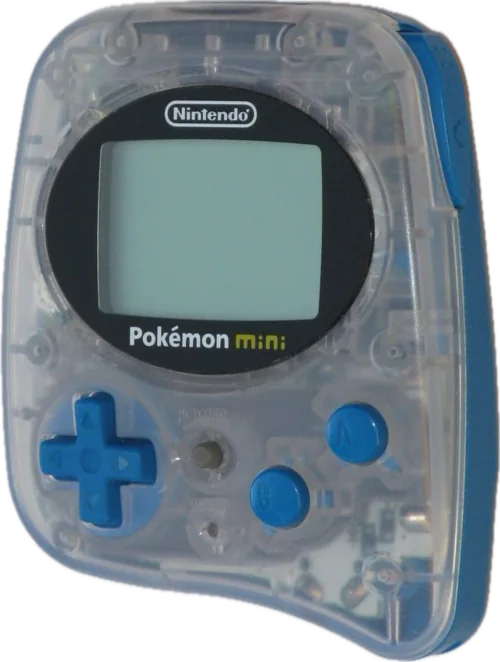
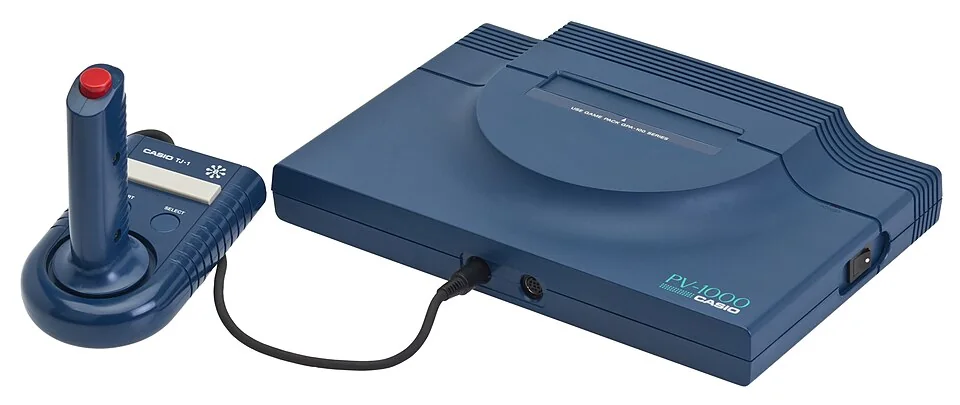
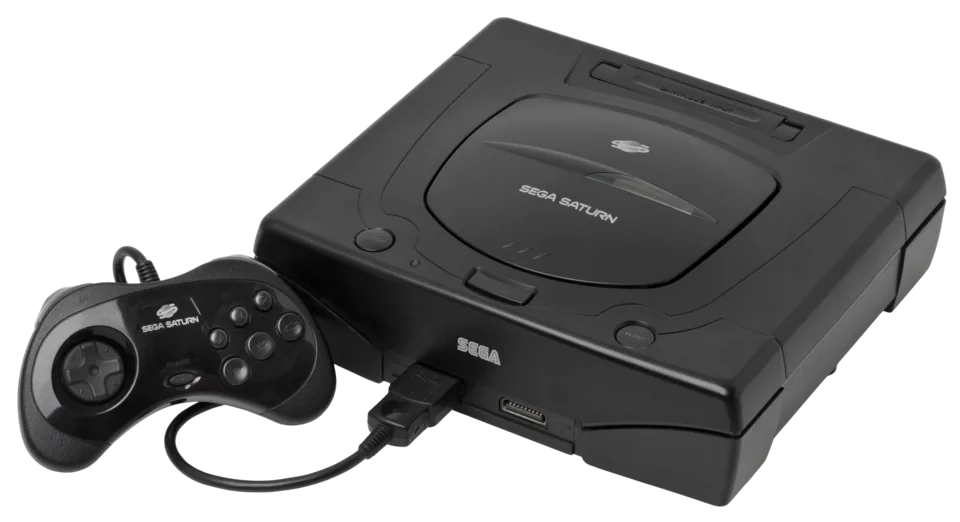
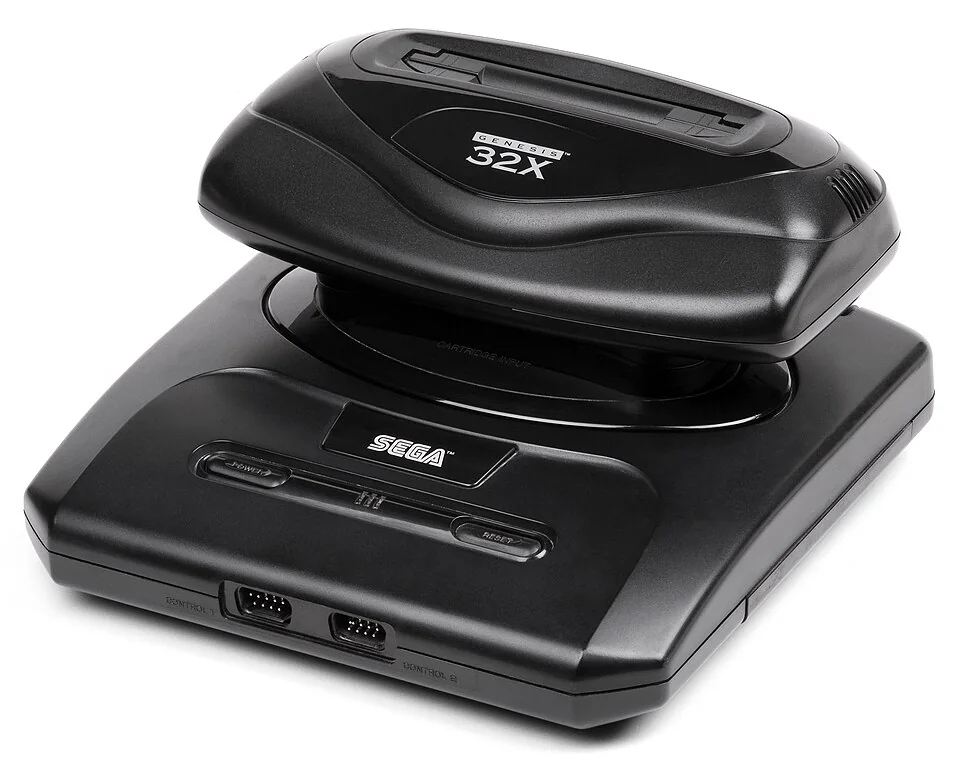
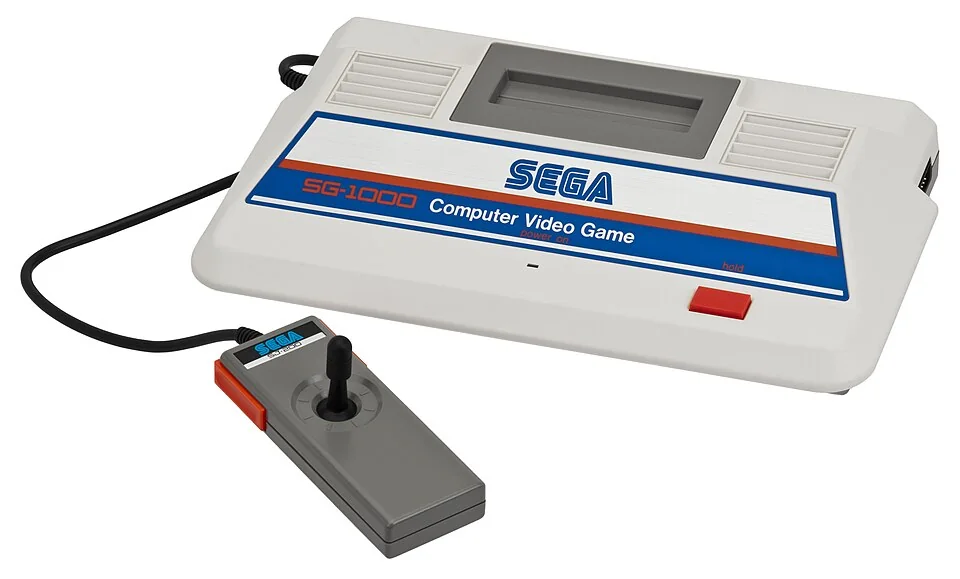
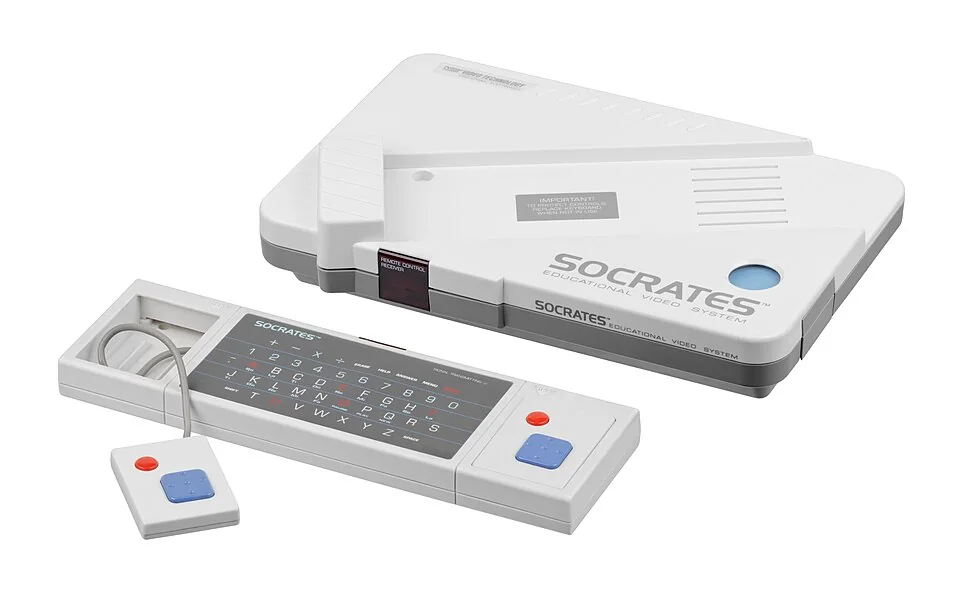
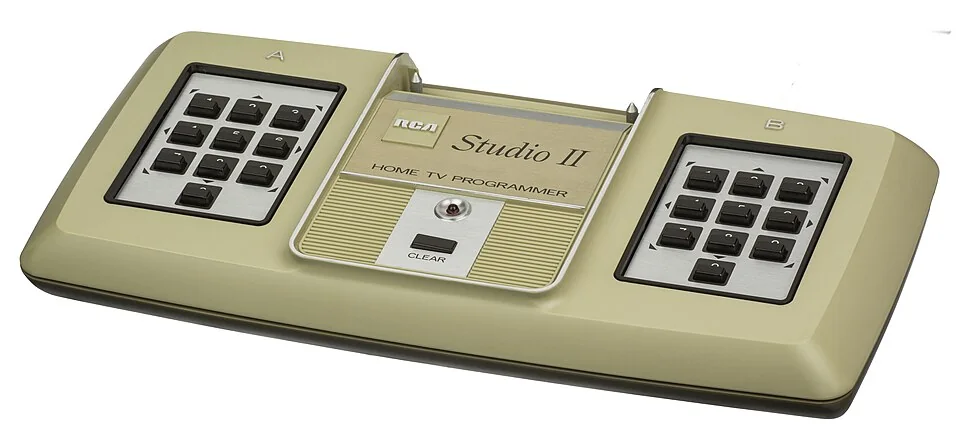
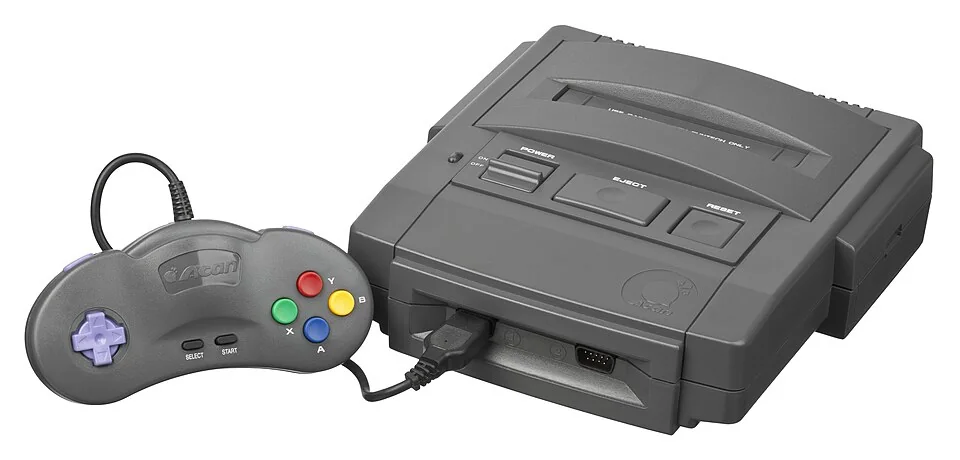
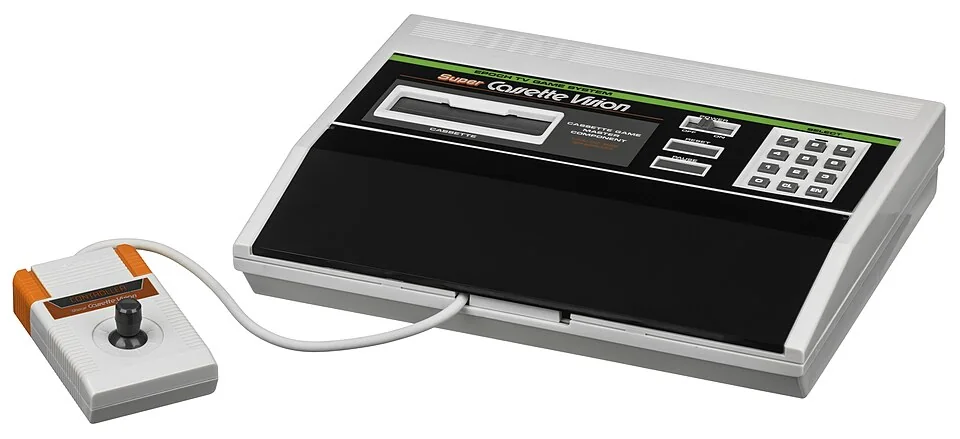
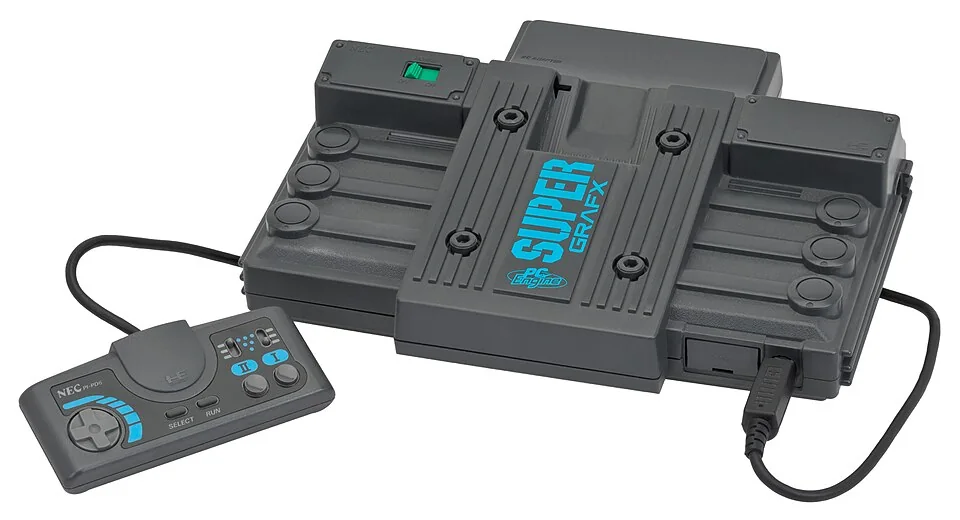
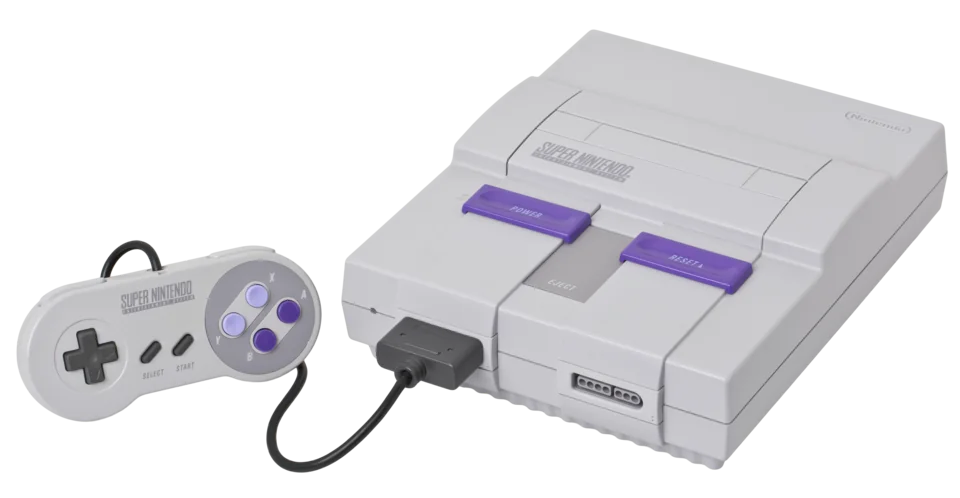
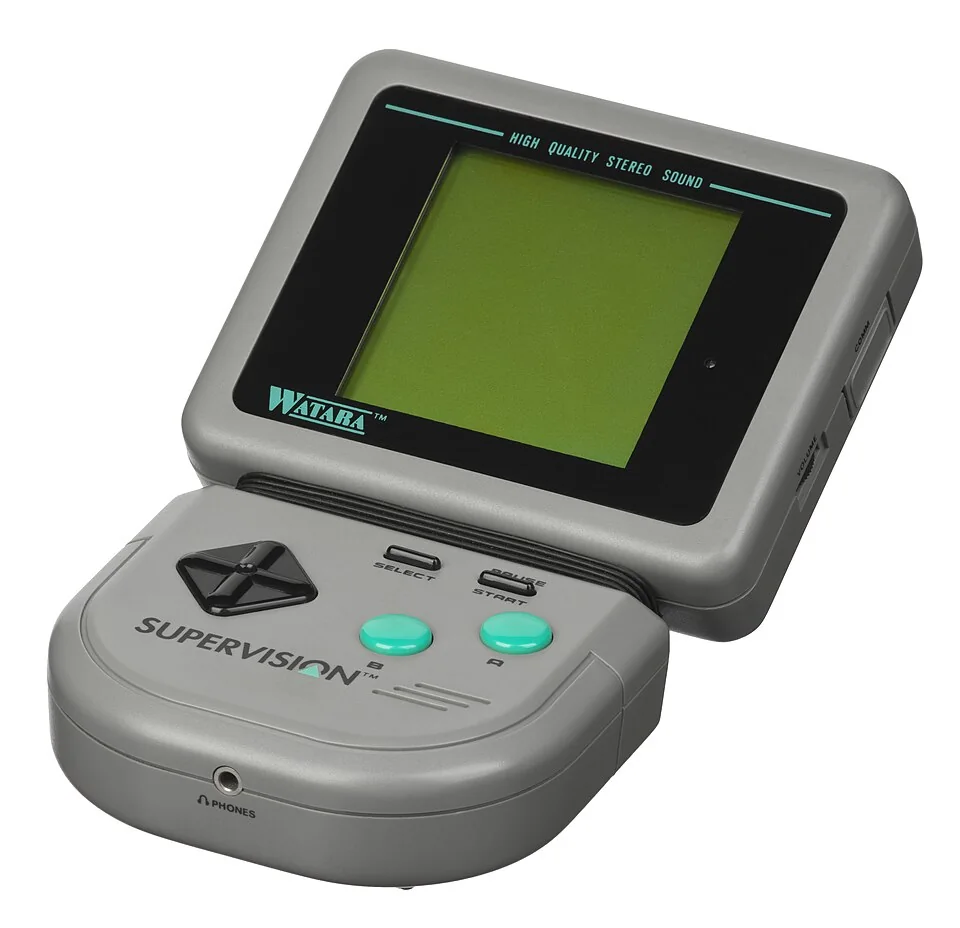
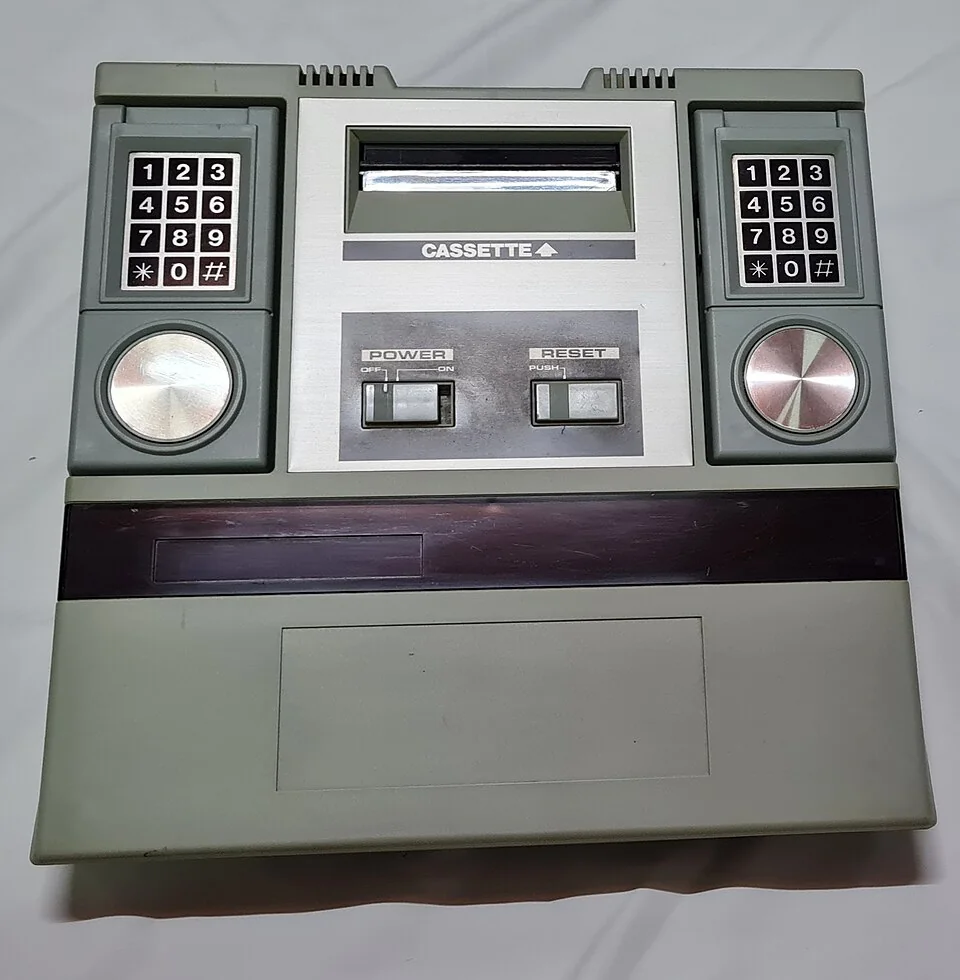
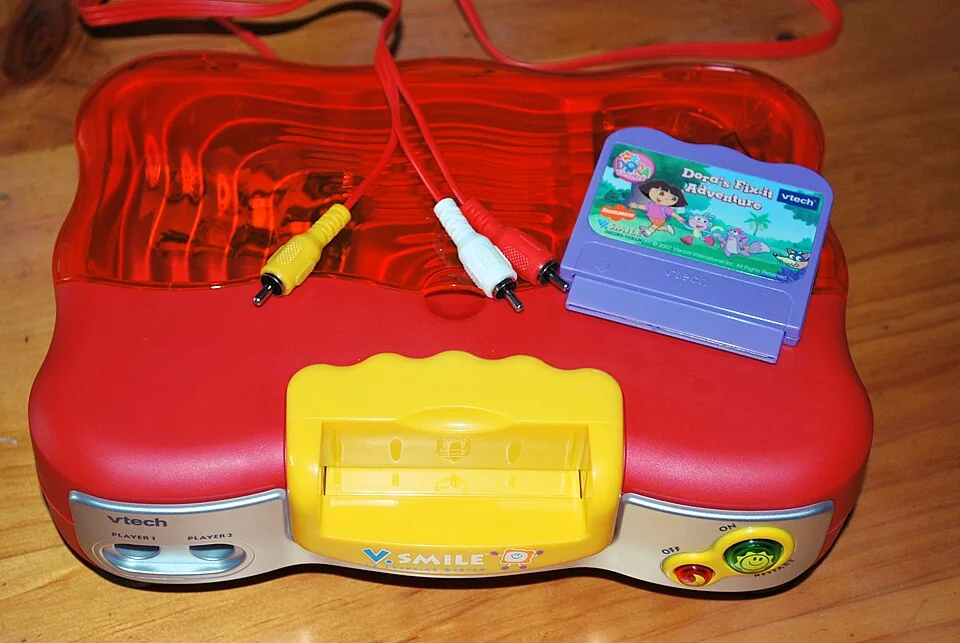
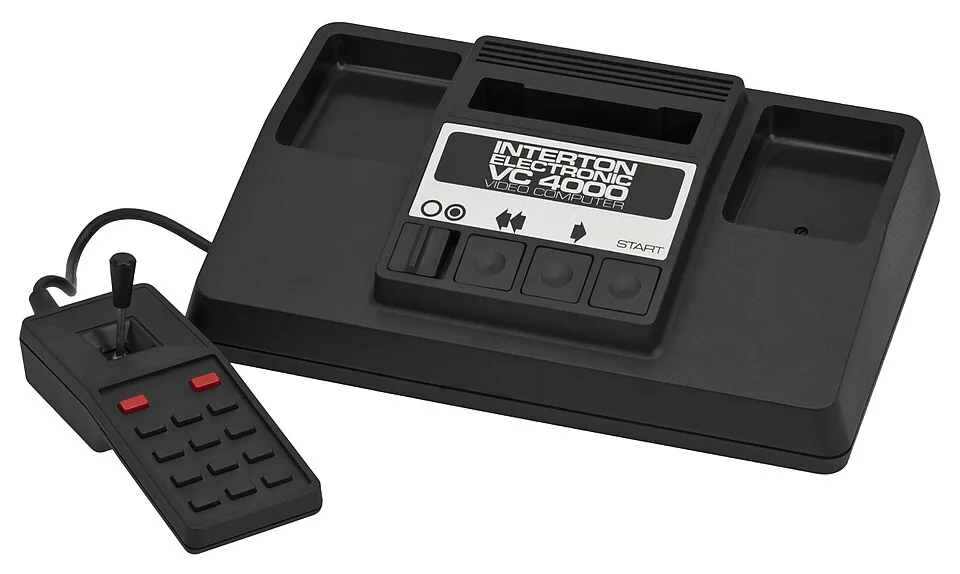
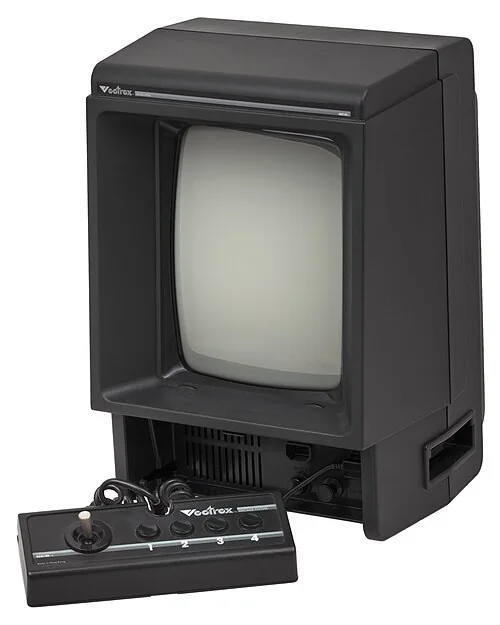
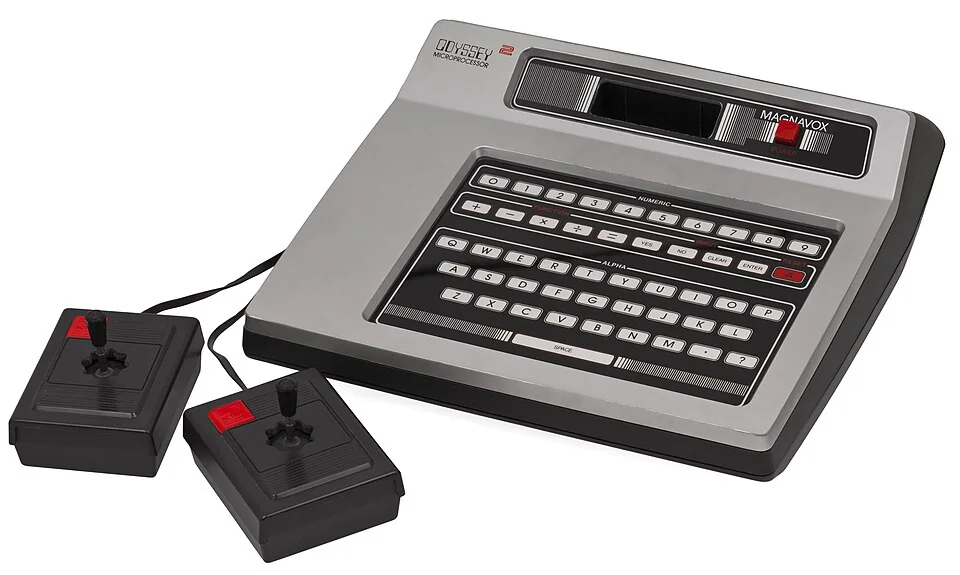
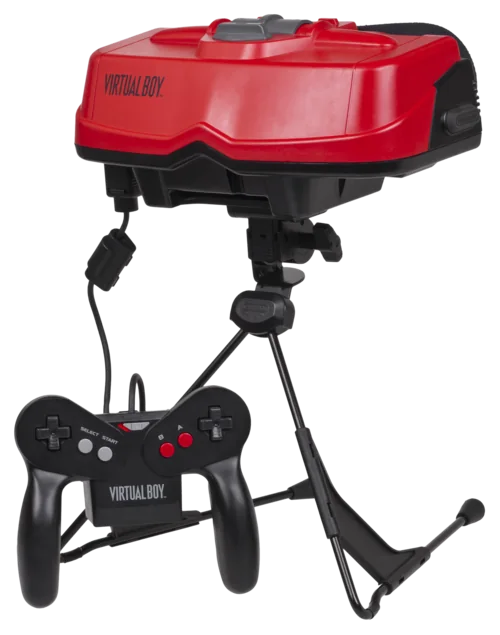
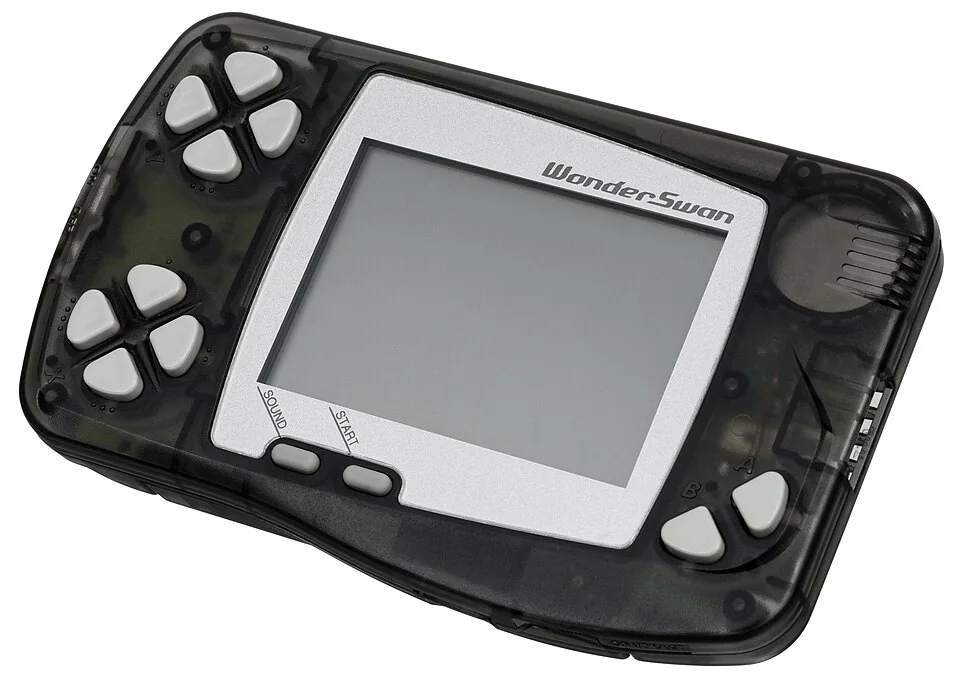
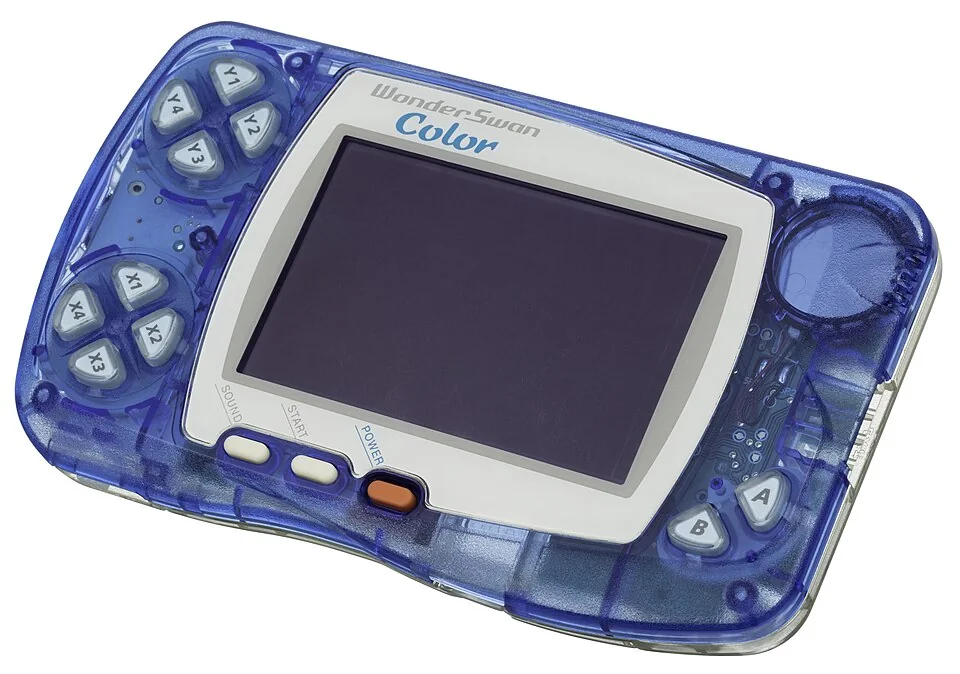
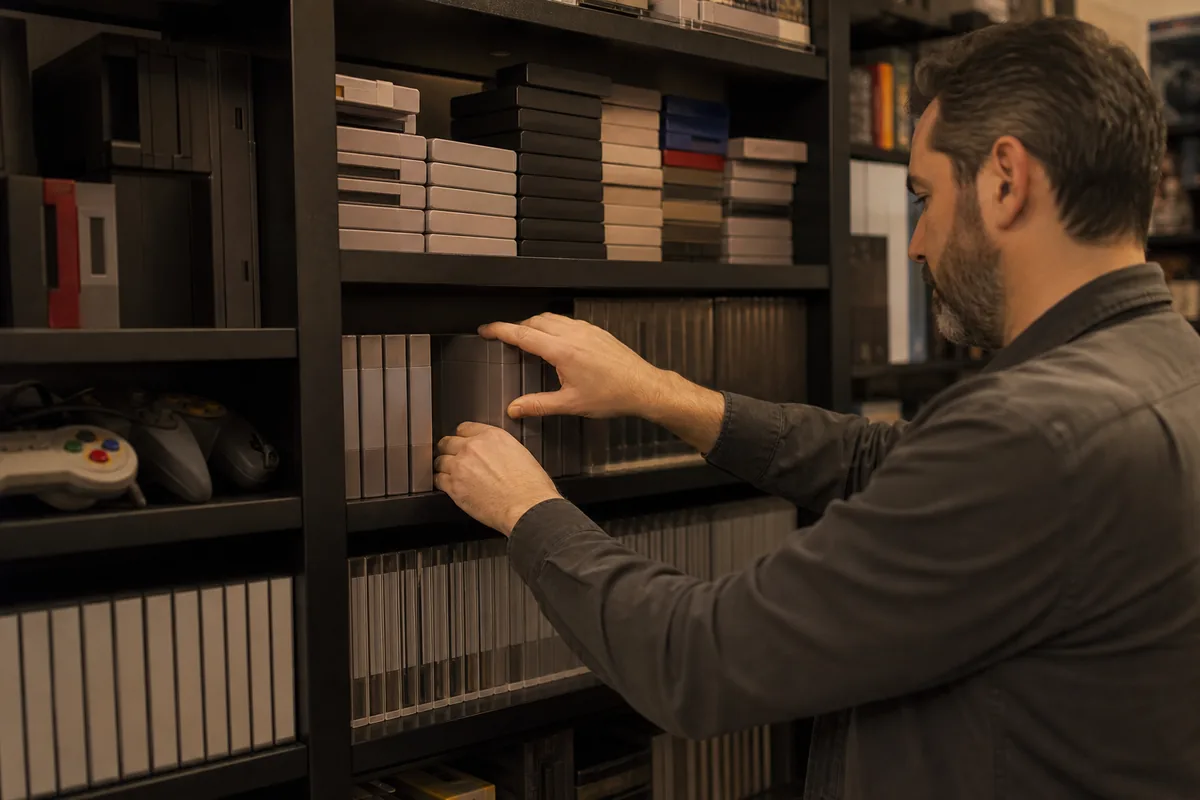
A complete collection under written rules: territory, period and included categories. Worldwide, regional and licensed-only sets describe different lists. Keep the rules with your inventory.

A copy without its complete packaging. Having the game says nothing about the box, manual or extras. Record each component actually present.

A copy described as including its box and complete contents. Completeness has no universal checklist: check the manual, inserts and accessories specific to the edition.

A seller’s description of an item as new in its box. It alone establishes neither an original seal nor an untouched copy. Request an exact condition description.

A copy presented with an intact closure. The closure type and origin need edition-specific verification; a visible seal alone does not establish authenticity.

An identified change to a software version. It may retain the same title and commercial reference. Do not infer it solely from label colour or record order.

A difference in box, label, manual or physical contents. It may exist without a software change and may be absent from this reference. Define which differences your collection tracks.

A later commercial issue of a title or edition. Budget branding, a new distributor or a new presentation may be separate inventory criteria. They require evidence for the particular copy.

One medium or package containing several titles. Decide whether to count the compilation, its individual games, or both in separate inventories. Keep the counting methods distinct.
Several media may form one game. Record each disc number and matching references. A documentary family does not establish that every disc is present in a physical copy.

Development, presentation or trial versions when explicitly identified. Catalogue inclusion does not establish a public commercial release. Count them separately when collecting retail releases.

Distribution territory, video standard, language and hardware compatibility are different properties. PAL does not establish a French edition; French text does not establish distribution in France.
Fictional example: one game has three records, Europe revision 1, Europe revision 2 and USA revision 1. These are not three different titles.

One copy meets this scope, regardless of revision. Record your preferred territory and language separately.
This scope calls for two copies: one European and one American. Choose the revision you want before comparing listings.

Three versions fall within this scope. A box or manual does not create a fourth software version.
One copy per game or every variant? Set a rule before filtering.

A full set needs rules: one copy per game, every release in a territory, every revision or every physical edition. Define region, period, release status and condition separately. A reissue, localisation and software correction are not automatically three new games.

Families follow MAME parent/variant relationships. They connect records without certifying a unique commercial game count or perfect equivalence between editions. The reference parent is not necessarily the earliest edition. Totals describe this specific catalogue.

Territories come from explicit records. Europe proves neither French distribution nor French text. A handheld sales region is not a PAL or NTSC video standard. Missing language information stays unknown rather than being inferred from a country.
Statuses are marked when the description states them. No special label does not certify an official release. The revision filter finds explicitly named revisions without treating other records as initial versions.

Compare complete title, product reference, territory, revision and package contents. Photograph labels and check codes on the box, medium and manual. Similar labels prove neither identical data nor authenticity; this database is not an authentication service.
Your copy also has a condition, box, manual and sometimes edition-specific contents. Metadata does not cover every box printing, colour, budget edition, sticker and bundle. A complete-in-box target also needs an exact contents inventory for each edition.
Inspect contacts, labels, fasteners, condition and promised contents. For a disc, examine both sides and references. An external inspection does not replace documented checks. Distinguish repairs, reproductions and original editions.
These 65 catalogues contain every record from the selected MAME lists at a fixed revision. They do not guarantee every historical commercial release: games, physical editions and packaging variants may be missing. Cross-check references before calling a collection complete.
Families and versions are different counts. A multi-territory version may appear in several filters; do not add them as unique games.
MAME metadata is CC0 1.0. Titles and trademarks belong to their owners; version descriptions and alternative titles keep their source wording. CC0 1.0
Documentary reference : . Uncertain years and dates are preserved without invented precision.